Costa Rica: quetzals, cloud forest and wildlife
Not the former Mot Mot Travel tour company - we don't sell holidays.
Quick answer: Costa Rica packs cloud forest, rainforest and two coastlines into a small country, with national parks protecting over a quarter of its land. Go to the cloud forests of Monteverde or Dota for the resplendent quetzal, the Pacific parks for sloths and monkeys, and the beaches at night for nesting turtles. The Pacific side is driest from December to March.
Costa Rica's wildlife at a glance
Visit Costa Rica, the national tourism board, says the country holds about 5% of the world's known biodiversity. It puts the bird list at almost 900 species, while BirdLife International's country list has 845. Checklists count species differently, so treat both as close guides rather than fixed totals.
BirdLife's list includes 53 hummingbird species, and its country profile counts ten endemic birds, several of them on Cocos Island. In the northern winter, many warblers, flycatchers, vireos and orioles arrive from North America.
Monteverde and the cloud forest
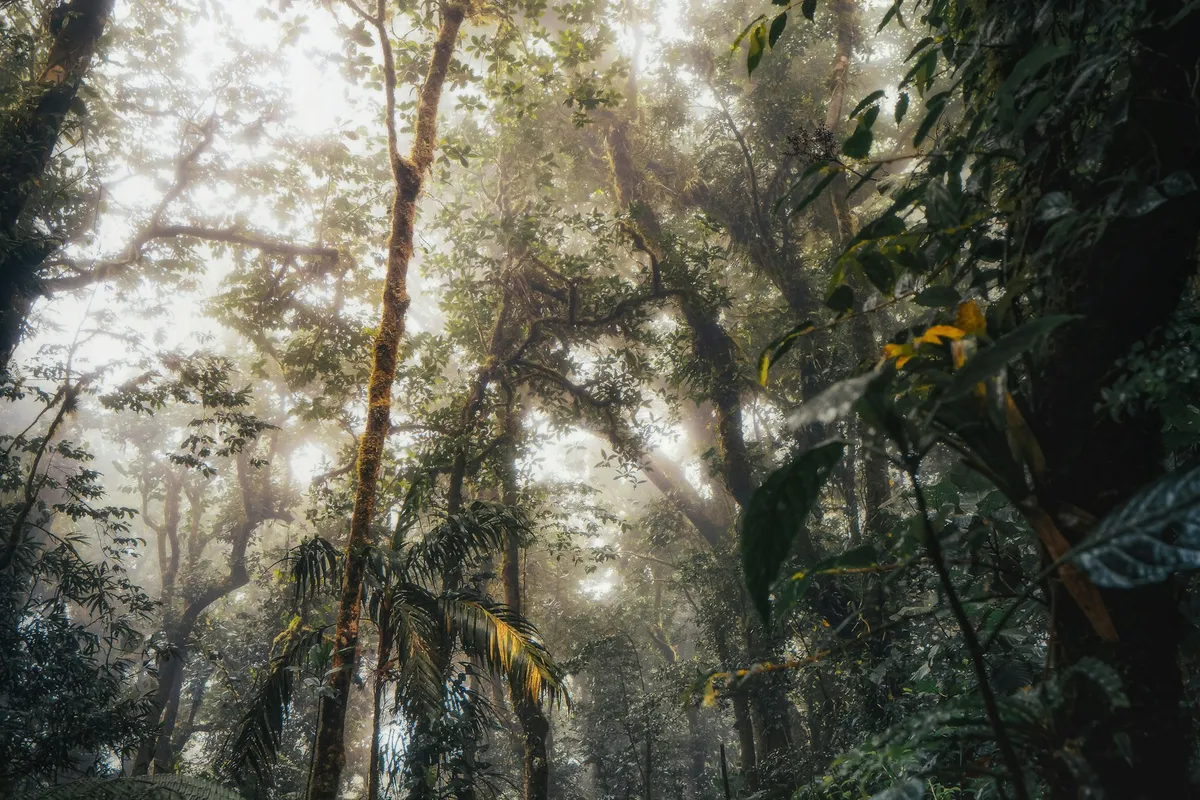
The Monteverde Cloud Forest Biological Reserve has about 13 km of trails through forest wrapped in the fog that forms at around 1,600 metres. Visit Costa Rica lists the resplendent quetzal and the three-wattled bellbird among its birds. Start early, as the La Ventana lookout is clearest in the morning.
Monteverde sits inside BirdLife's Arenal-Monteverde Important Bird Area, a corridor between the Caribbean and Pacific slopes. It takes in eight protected areas, including Arenal National Park and the Arenal Volcano zone near La Fortuna. Its key birds include the Endangered bare-necked umbrellabird and the Vulnerable keel-billed motmot.
Where and when to see the resplendent quetzal
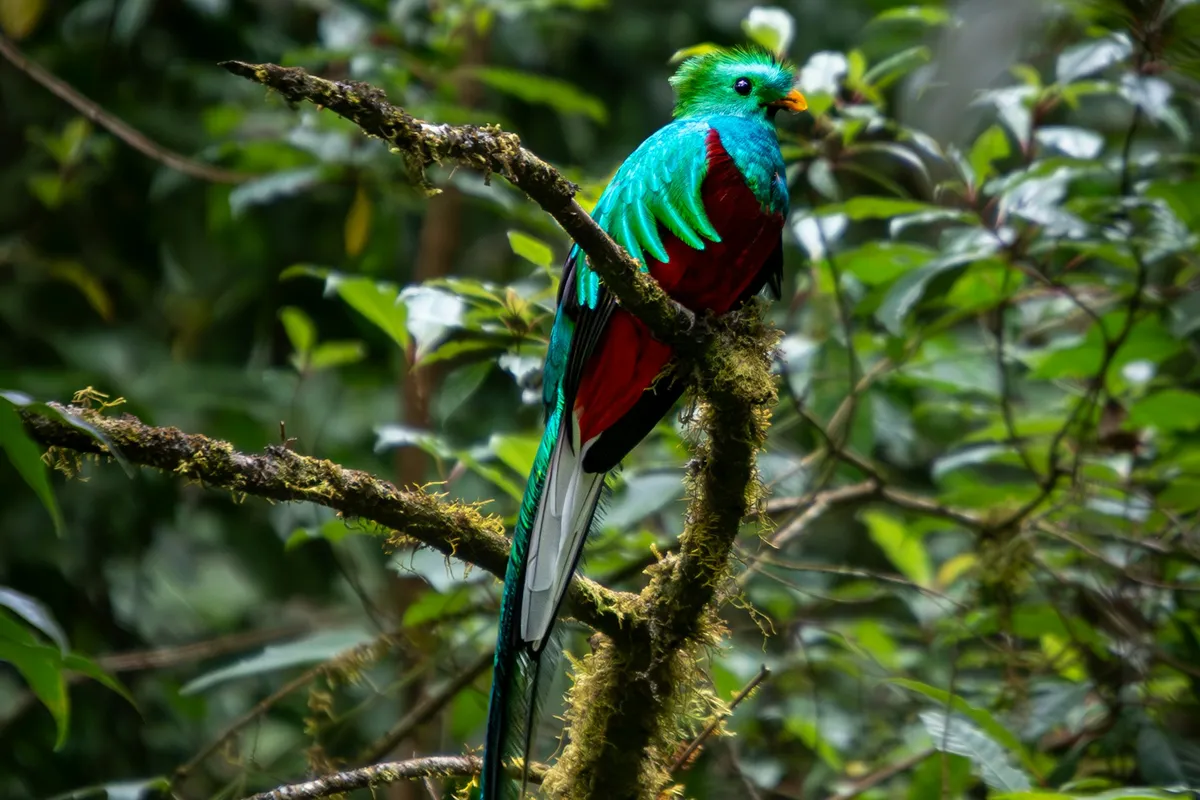
The resplendent quetzal lives in mountain cloud forests from southern Mexico to western Panama. BirdLife lists it as Near Threatened. It needs mature forest with old, upright dead trunks for nesting, and it breeds from March to August.
Quetzals feed mostly on the fruit of wild avocado relatives in the laurel family. As those trees fruit at different heights through the year, the birds move up and down the mountains. A local guide who knows where the trees are fruiting is your best chance.
Visit Costa Rica points to Monteverde, the Los Santos region and the Central Volcanic Range. Los Quetzales National Park, in Dota about 76 km south of San José, runs from 1,240 to 3,190 metres and is a special area for quetzals.
Sloths, monkeys and other mammals
Manuel Antonio National Park, near Quepos on the Pacific coast, covers 683 hectares. Visitors can see capuchin monkeys, sloths, coatis, raccoons, iguanas and many birds. Its squirrel monkeys are endemic to the area, and the last census counted only about 1,500.
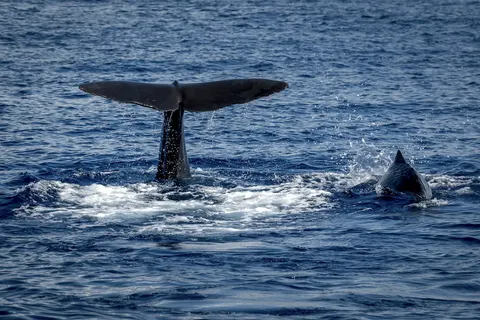
Further south on the Osa Peninsula, Corcovado National Park records 140 mammal and 367 bird species. You must enter Corcovado with an authorised guide. For whales, turtles and other wildlife trips, see our wildlife watching guide.
Turtle nesting beaches
Five of the world's seven sea turtle species nest on Costa Rica's beaches, mostly at night. Visit Costa Rica gives this calendar:
| Months | What nests where | |---|---| | January to February | Leatherback and green turtles on the Pacific coast | | March to June | Leatherbacks on the Caribbean coast (Pacuare, Moín and Gandoca) | | From May | Olive ridley and loggerhead turtles on both coasts | | From July | Green turtles on the Caribbean coast | | July to November | Olive ridley mass nesting (arribadas) at Ostional, Pacific coast | | From October | Leatherback and green season restarts on the Pacific |
Join a guided night visit where the beach has one, and never use lights or flash near a nesting turtle.
Birding hotspots - and motmots
Visit Costa Rica suggests hotel gardens in San José for common birds, and the Osa Peninsula and Carara Biological Reserve for scarlet macaws. BirdLife names the Sarapiquí region in the north as one of the last strongholds of the Critically Endangered great green macaw.
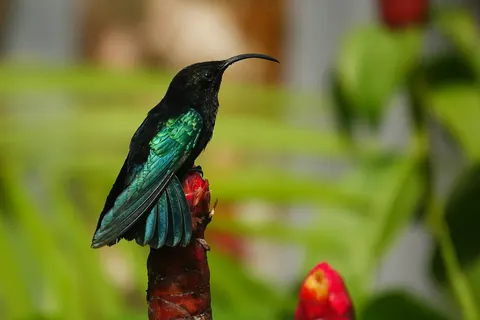
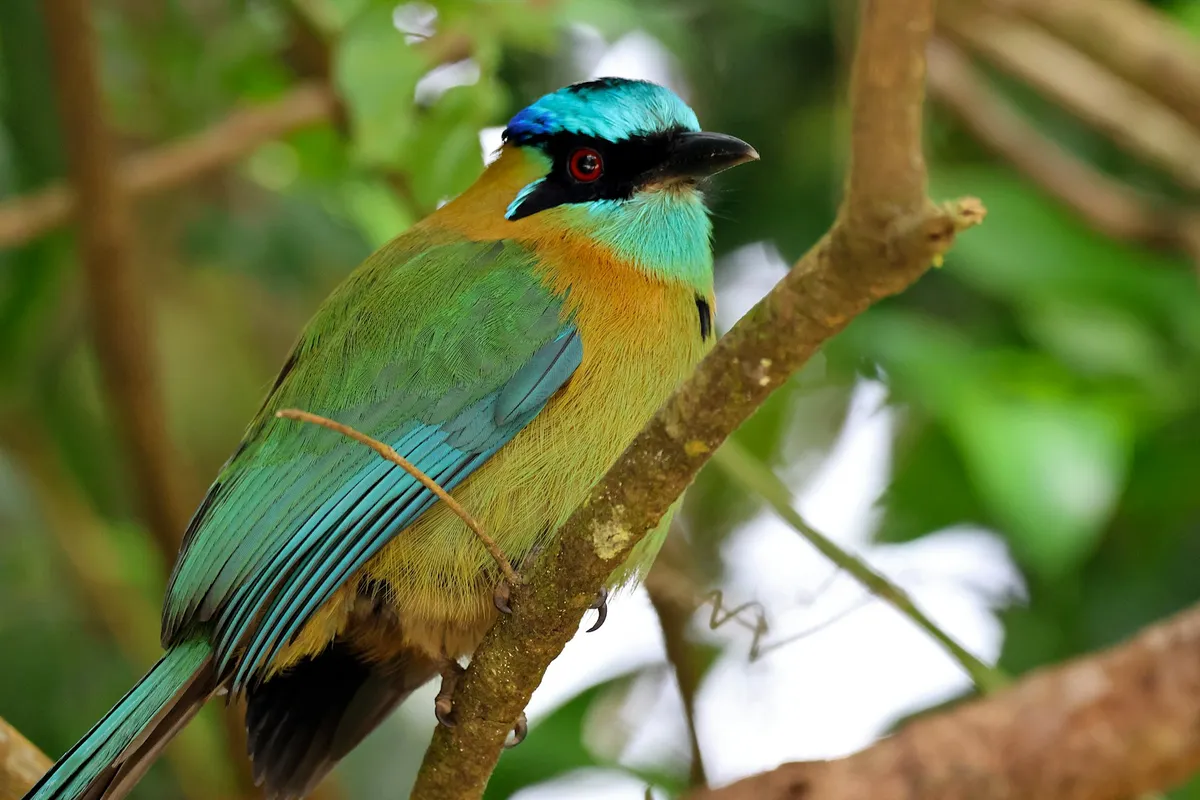
Motmots, the birds behind our name, are easy to love here. BirdLife lists six species in Costa Rica: tody, blue-diademed, rufous, keel-billed, broad-billed and turquoise-browed motmots. To find recent sightings, use eBird's hotspot maps, and read our birdwatching guide for kit and etiquette.
Best time to visit Costa Rica for wildlife
On the Pacific side, the dry season runs from December to March and the rainy season from May to October, with November in between. The Caribbean side has no clear dry season. Its drier spells come in February to March and September to October, and November to January is wettest.
Visit Costa Rica says there is no single best month. For UK travellers, the Pacific dry season covers Christmas and February half-term. The Caribbean side's autumn dry spell can suit October half-term.
Getting there from the UK
Costa Rica has two main international airports: Juan Santamaría near San José and Daniel Oduber Quirós in Liberia, which serves Guanacaste, Monteverde and La Fortuna. Check current routes from the UK, as you may need to connect through a hub in Europe or North America.
Costa Rica keeps UTC-6 all year. It is six hours behind the UK in winter and seven during British Summer Time.
Watch wildlife responsibly
Visit Costa Rica's park guidance is clear: don't leave the trails, keep your distance and never feed wild animals. Limit recorded bird calls, follow your guide on turtle beaches, and leave single-use plastics behind: Manuel Antonio bans them.
Thinking of combining countries? Our Panama guide is next door.
Sources
All pages opened on 20 October 2026.
- Visit Costa Rica (Costa Rica Tourism Board, ICT): Birdwatching; Monteverde Cloud Forest Biological Reserve; Los Quetzales National Park; Manuel Antonio National Park; Hiking the trails of Manuel Antonio; Corcovado National Park; Wildlife spectacles on land; Climate; Best times to visit; Airlines; FAQ
- BirdLife International DataZone: Costa Rica country profile; Important Bird Area Arenal-Monteverde; species Resplendent quetzal, Great green macaw, Three-wattled bellbird (data read through the DataZone API)
- Cornell Lab eBird Help Center: Explore eBird hotspots
- IANA time zone database: northamerica file, America/Costa_Rica
- GOV.UK: Costa Rica travel advice; When do the clocks change?
Frequently asked questions
When is the best time to see a quetzal in Costa Rica?
Quetzals breed from March to August, according to BirdLife, and they move between altitudes as their food trees fruit. Sightings are possible at other times in the highland cloud forests, so go with a local guide who knows where the birds are feeding.
When is turtle nesting season in Costa Rica?
It depends on the species and the coast. Pacific leatherbacks and greens nest in January and February, Caribbean leatherbacks from March to June, and Caribbean greens from July. Olive ridley arribadas at Ostional run from July to November.
Do you need a guide in Costa Rica's national parks?
Not everywhere, but Corcovado National Park requires an authorised guide. A guide also helps you spot sloths, quetzals and nesting turtles.
What is the time difference between the UK and Costa Rica?
Six hours in the UK winter and seven during British Summer Time. Costa Rica stays on UTC-6 all year.
Do I need a visa for Costa Rica with a UK passport?
We don't state entry rules ourselves, because they can change. Check the GOV.UK FCDO entry requirements page for Costa Rica before you book; the same advice covers safety and security.