Trinidad and Tobago: a birdwatching and nature guide
Not the former Mot Mot Travel tour company - we don't sell holidays.
Quick answer: Trinidad and Tobago is one of the easiest places to start birdwatching in the Caribbean. BirdLife International lists 392 bird species for the two islands, many of them South American. In one trip you can walk rainforest in the Northern Range, watch scarlet ibis fly in to roost at Caroni Swamp and, from March to August, see turtles nesting on Trinidad's beaches.
Why Trinidad and Tobago is a birding favourite
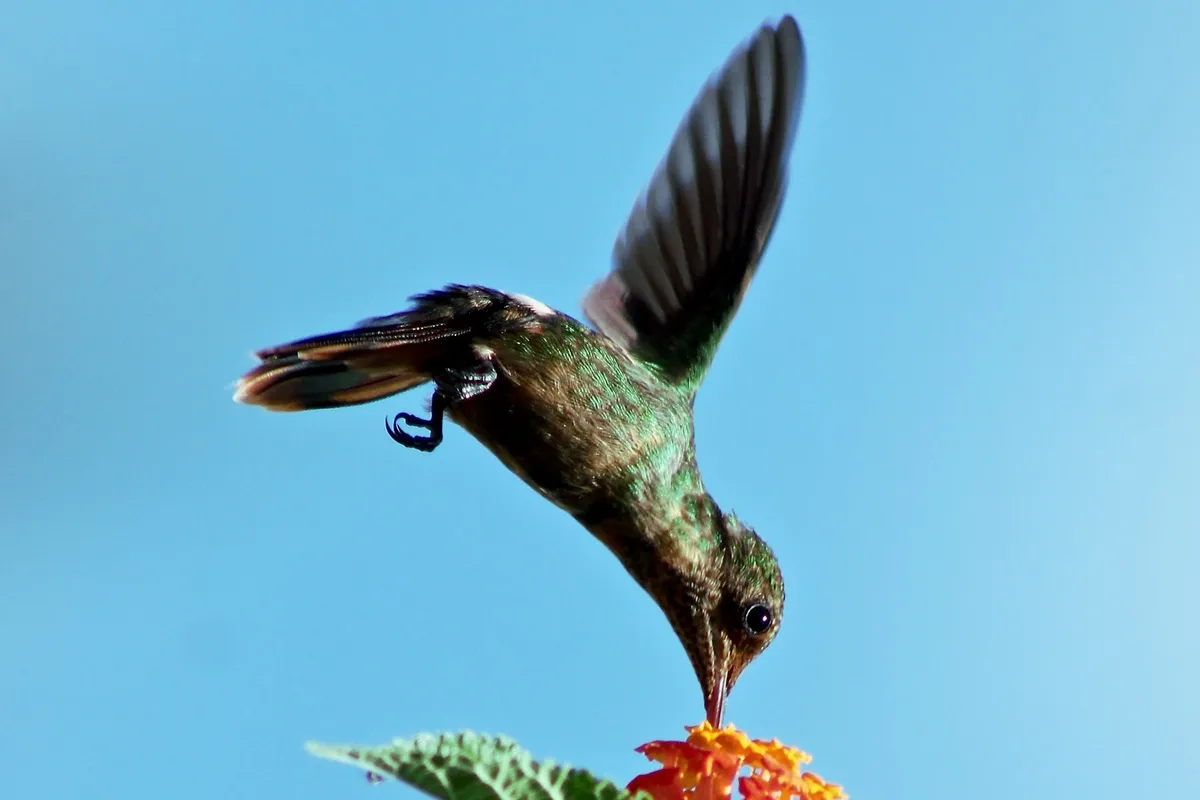
The islands sit at the southern end of the Caribbean, just off Venezuela, so the wildlife has a strong South American flavour. BirdLife's list includes 18 hummingbird species and three birds found nowhere else: the Trinidad piping-guan, the Trinidad motmot and the Tobago greenlet.
Flights between the islands take about 25 minutes and a ferry sails daily, so one trip can cover forest, wetland and seabird colonies. New to tropical birds? Start with our Caribbean birdwatching guide.
Trinidad: the Northern Range and Asa Wright Nature Centre
The Northern Range runs along Trinidad's north coast and is largely forested, especially above 240 metres. Its lower slopes hold evergreen forest and old cocoa estates shaded by immortelle trees, and the highest peaks carry small patches of elfin woodland.
The eastern part of the range is the last confirmed stronghold of the Trinidad piping-guan, which BirdLife lists as Critically Endangered. BirdLife reports that community nature tourism around Grande Rivière brings income to local people and helps the bird.
In the Arima Valley, the Asa Wright Nature Centre was set up to keep part of the valley in its natural state; Visit Trinidad says visitors can see more than 200 bird species there. The board also calls oilbirds the world's only nocturnal fruit-eating birds, and the country's largest colony lives in Cumaca Cave, in the south-east of the range. Check current visitor arrangements with the centre itself.
Caroni Swamp and the scarlet ibis
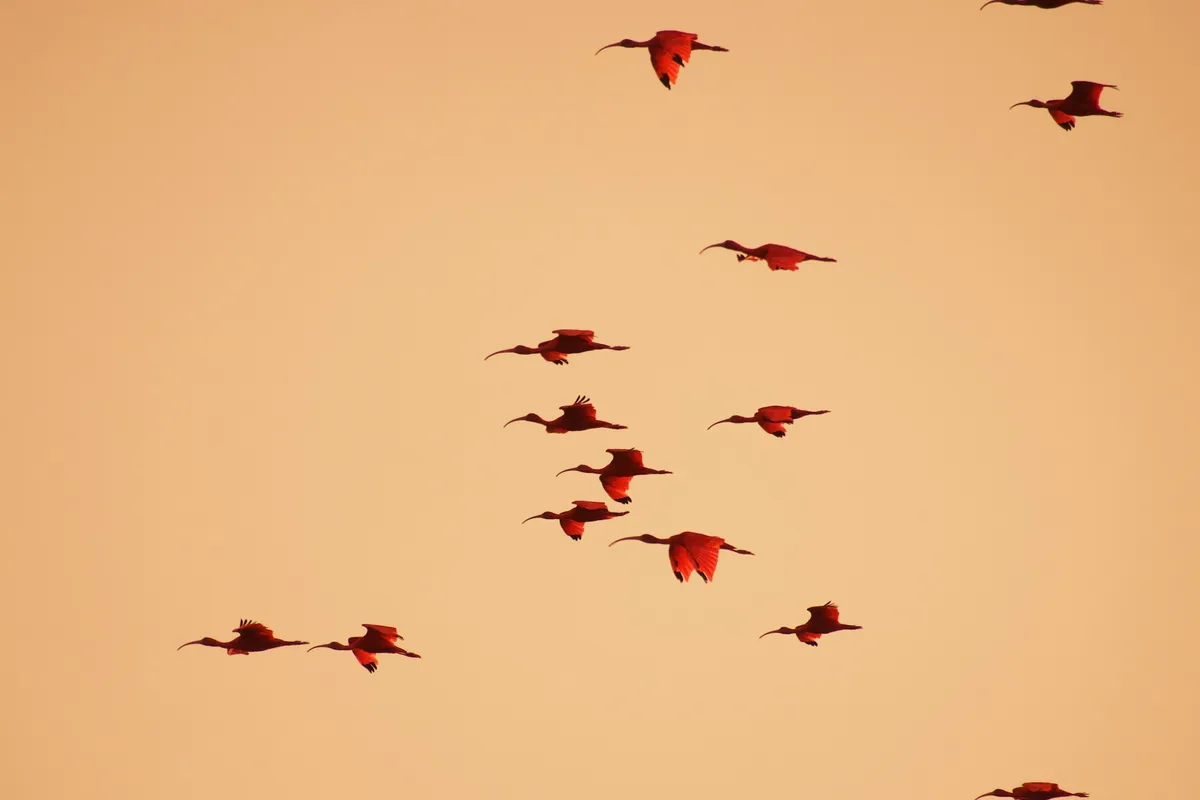
Caroni Swamp is a mangrove estuary of roughly 6,000 hectares on Trinidad's west coast, about 15 minutes' drive south of the capital. It is the scarlet ibis's largest habitat in Trinidad and Tobago, and the ibis is one of the country's two national birds.
BirdLife's site assessment counted around 15,000 ibis (2006 estimate). Boats take visitors through the mangroves every day to watch the birds return to roost at the end of the day. Visit Trinidad also lists more than 100 other bird species in the sanctuary, plus caimans and crabs.
Tobago: Main Ridge Forest Reserve and Little Tobago
The Main Ridge forms the forested backbone of north-east Tobago and rises to about 549 metres. It has been protected since the 18th century, and Tobago's tourism agency calls it the western hemisphere's oldest legally protected forest. Hurricane Flora badly damaged the canopy in 1963, and the forest has been recovering ever since.
Its key birds include the white-tailed sabrewing, a hummingbird listed as Near Threatened, and the rufous-vented chachalaca, Tobago's cocrico. Visit Tobago recommends the two-hour Gilpin Trace with an experienced guide. The ridge lies inside UNESCO's North-East Tobago Biosphere Reserve, which names the Trinidad motmot and the Tobago greenlet among its endemic birds.
Little Tobago is a small, forested and uninhabited island about 2 km off Speyside. BirdLife lists breeding red-billed tropicbirds, brown and red-footed boobies, bridled terns and laughing gulls. Day visitors come to see the tropicbirds.
Leatherback turtles on Trinidad's beaches
Trinidad and Tobago's Ministry of Agriculture set the 2026 sea turtle nesting season as 1 March to 31 August. Leatherback, green, loggerhead, olive ridley and hawksbill turtles all nest on the islands' beaches.
The main nesting beaches at Matura, Fishing Pond and Grande Rivière become Prohibited Areas in the season, so you need a permit from a Forestry Division or District Revenue office. On the sand, the ministry asks for no flambeaux, fires, headlights or bright lights. For whales and other turtle beaches, see wildlife watching in the Caribbean.
Reefs and bays off Tobago
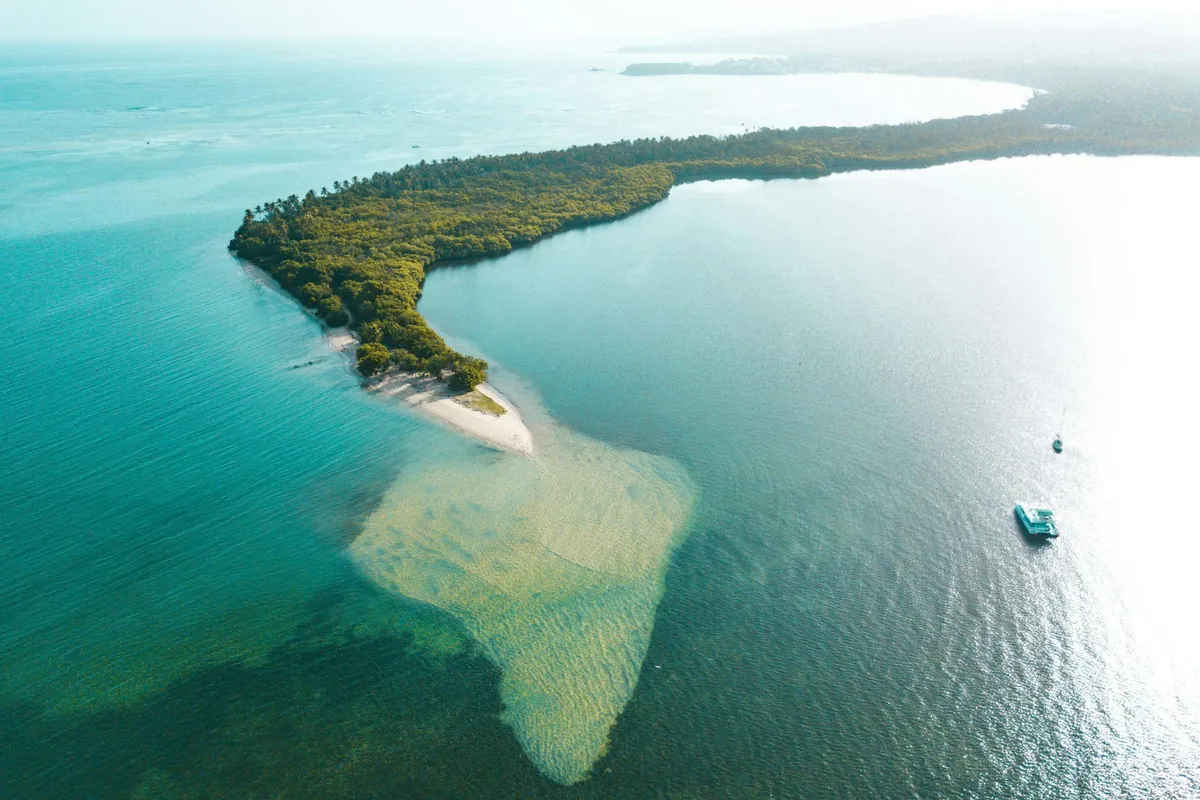
Most of the North-East Tobago Biosphere Reserve is sea: UNESCO lists 67,245 of its 82,359 hectares as marine, and BirdLife notes that day visitors to Little Tobago come for the marine life too. If you snorkel or dive, never stand on or touch coral, and choose a local operator who briefs you on the reef rules.
Best time to visit Trinidad and Tobago
Visit Trinidad describes two seasons: dry from January to May and rainy from June to December. For UK travellers, the dry months take in February half-term and the Easter holidays, and the turtle season runs into the school summer holidays.
The Atlantic hurricane season runs from 1 June to 30 November, according to the US National Hurricane Center. Visit Trinidad says the island lies outside the hurricane belt, but check FCDO advice before you go.
Getting there from the UK and where to base yourself
Tobago's tourism agency lists a weekly direct flight from London Gatwick, and several international airlines serve Piarco International Airport in Trinidad. Check current schedules before you plan.
The country keeps Atlantic Standard Time (UTC-4) all year: four hours behind the UK in winter and five during British Summer Time.
Good bases, by area:
- The Northern Range and Arima Valley for forest birds and oilbirds.
- Near Port of Spain for an evening boat trip at Caroni Swamp.
- Speyside, in north-east Tobago, for Little Tobago, the Main Ridge and the reefs.
Planning a longer South American trip? Our Guyana guide is the next step south.
Watch wildlife responsibly
- Keep your distance from nests, roosts and seabird colonies.
- Stay on marked trails and follow your guide.
- Never feed wildlife, and limit recorded bird calls (American Birding Association code).
- On turtle beaches, use no bright lights or flash.
Sources
All pages opened on 20 October 2026.
- BirdLife International DataZone: Trinidad and Tobago country profile; Important Bird Areas Caroni Swamp, Northern Range, Main Ridge, Tobago and Little Tobago Island; species Trinidad piping-guan (factsheet data read through the DataZone API)
- UNESCO Man and the Biosphere: North-East Tobago
- Visit Trinidad (Tourism Trinidad): Birding in Trinidad; Travel tips
- Visit Tobago (Tobago Tourism Agency): Main Ridge trails; Getting to Tobago; Go Plan (time zone)
- Ministry of Foreign and CARICOM Affairs: National birds
- Ministry of Agriculture, Land and Fisheries: Announcement of Sea Turtle Nesting Season (12 March 2026)
- US National Hurricane Center: Tropical cyclone climatology
- GOV.UK: Trinidad and Tobago travel advice; When do the clocks change?
- American Birding Association: Code of Birding Ethics
Frequently asked questions
Is Trinidad or Tobago better for birdwatching?
Trinidad has the Northern Range forests, the Arima Valley and Caroni Swamp. Tobago is smaller, with the Main Ridge forest and the seabird colonies on Little Tobago. Short flights and a daily ferry make it easy to do both.
When is leatherback turtle nesting season in Trinidad?
The Ministry of Agriculture set the 2026 season as 1 March to 31 August. You need a permit to enter the main nesting beaches at Matura, Fishing Pond and Grande Rivière during the season.
Do I need a visa for Trinidad and Tobago from the UK?
We don't state entry rules ourselves, because they can change. Check the GOV.UK FCDO entry requirements page for Trinidad and Tobago before you book; the same advice covers safety and security.
What is the national bird of Trinidad and Tobago?
There are two: the scarlet ibis for Trinidad and the cocrico for Tobago. Both appear on the coat of arms and are protected by law.
What is the time difference between the UK and Trinidad and Tobago?
Four hours in the UK winter and five hours during British Summer Time. Trinidad and Tobago stays on UTC-4 all year and does not change its clocks.